
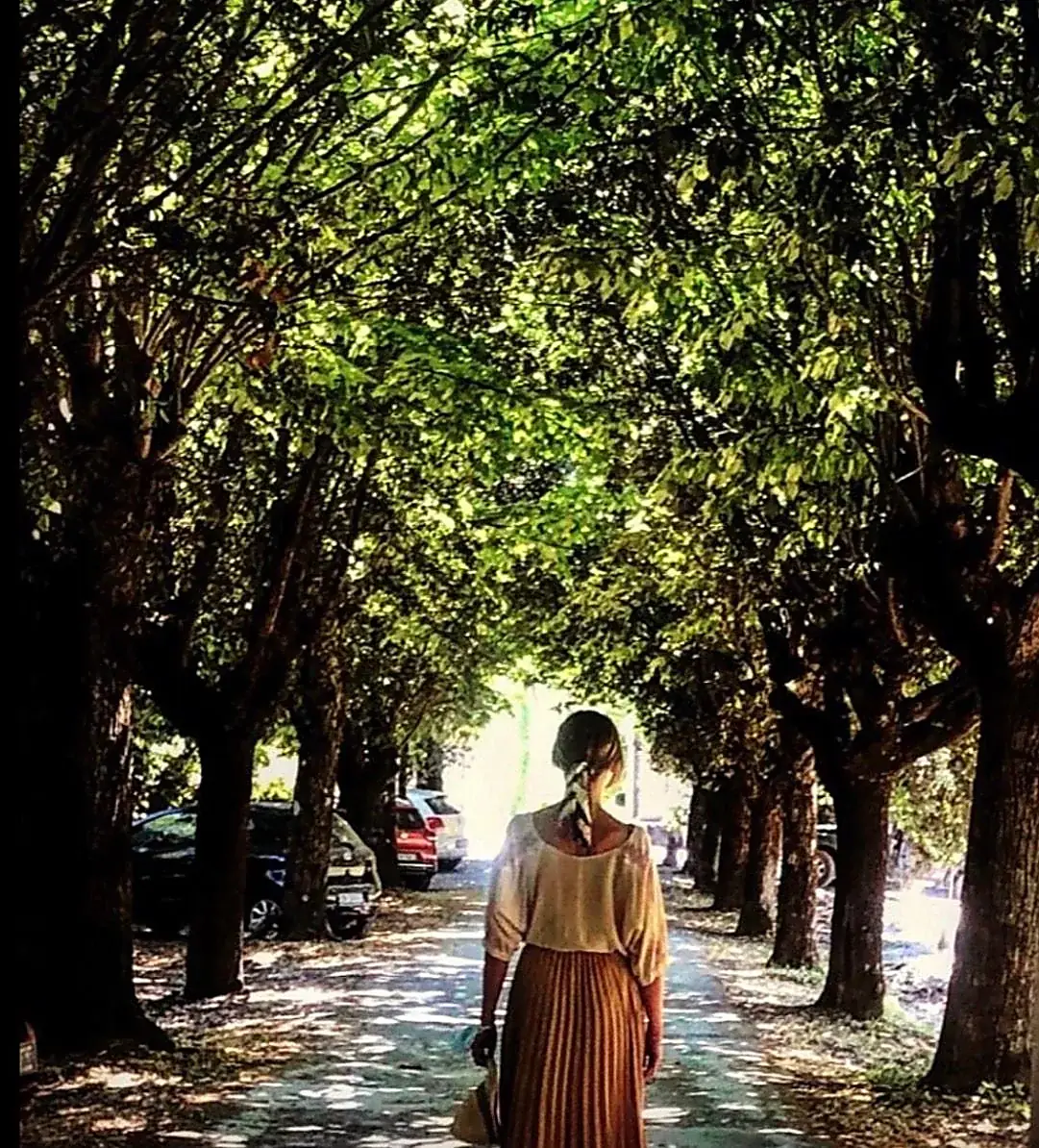
Slow travel in Italy means choosing depth over distance: fewer destinations, longer stays, private encounters with the people who make a place what it is, and time left free for the unexpected. It is not about doing less — it is about feeling more.
Italy rewards patience. The light on a Florentine façade at seven in the evening, the silence of a cloister before it opens, the conversation that begins when an artisan realises you are in no hurry: none of these can be scheduled into a fifteen-minute slot. Slow travel is the art of making room for them.
What does slow travel really mean?
The expression is often reduced to “staying longer”. In practice it is an attitude, built on a few simple principles:
- Fewer bases: two or three places in a week, not six.
- Encounters over attractions: an hour with a restorer can teach you more about a city than a day of museums.
- Seasonal rhythm: eating, walking and resting as the place itself does.
- Unscheduled time: every day holds a few hours that belong to no one.
Why slow travel suits Italy so well
Few countries hold so much culture in so little space. Rushing from one masterpiece to another quickly turns wonder into fatigue. Italy’s true character is found in its daily rituals — the morning coffee at the counter, the long Sunday lunch, the evening passeggiata — and these only reveal themselves to those who stay.
Slow living moments we love
Historic gardens at the quiet hour
Many of Italy’s great gardens can be visited privately early in the morning or at dusk, when the light is softer and the only sound is water.
Ateliers and workshops
Spending a morning with a bookbinder, a ceramicist or a tailor turns a souvenir into a story. Our craftsmanship experiences open these doors by introduction.
A table in a historic home
Dinner hosted in a family residence, with the history of the house told by those who live there, is one of the most intimate ways to understand Italian culture.
How to plan a slow journey
Start from how you want to feel rather than what you want to see. Choose a season, one or two regions and a handful of experiences that genuinely move you — then protect the empty spaces between them. A curator can take care of access, transfers and timing so that nothing interrupts the rhythm.
This is the philosophy behind every GVM journey. Discover our slow living moments or tell us about the journey you imagine.
Frequently asked questions
How many days do I need for a slow trip to Italy?
A week is a good minimum for one or two regions. With ten to fourteen days you can combine a city and the countryside without ever feeling rushed.
Is slow travel more expensive?
Not necessarily. Fewer transfers and longer stays often balance the cost of more private, higher-quality experiences.
Can slow travel include iconic sights?
Absolutely — simply at the right hour and with the right person, so that the icon becomes a personal memory rather than a crowded stop.
By Gabriella Vittoria Monti, founder of GVM. Continue reading: How to Plan a Bespoke Trip to Sicily.